Why Expert Translators Are Essential for Your Projects
In our interconnected global economy, clear communication is essential. Recruiting experienced translators can profoundly shape how brands transmit their information across various cultures and linguistic groups. These professionals understand the subtleties of communication, guaranteeing that subtleties remain intact. This dedication to exactness not only enhances brand image but also establishes rapport with consumers. Nonetheless, the consequences of this selection reach past mere accuracy and may reveal deeper benefits worth considering.
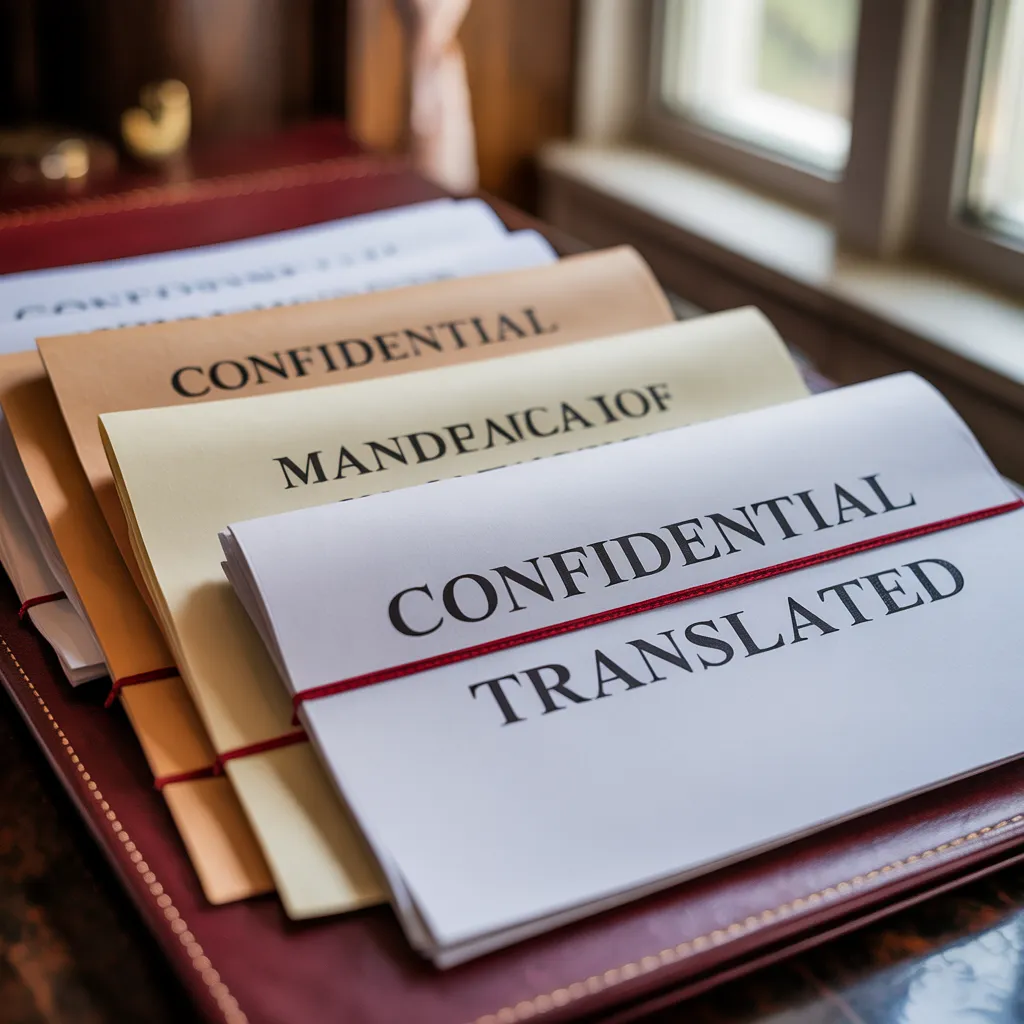
The Reasons You Need Qualified Translators for Your Brand
When organizations move into international territories, they typically overlook the significance of expert translators. These professionals fulfill an essential purpose in ensuring that a brand's message connects successfully across various languages and cultures. Mistranslations or inaccuracies in translation can cause significant misunderstandings, compromising a brand's reputation and potentially causing financial loss. Expert translators hold not only linguistic skills but also a thorough understanding of the industry and target audience, which is vital for delivering the intended tone and context. They support maintaining brand consistency and integrity, making certain that marketing materials, legal documents, and product information are accurately represented. Moreover, expert translators can adapt content to local preferences, making it more relevant and engaging. As companies aim to build a strong global presence, allocating resources to expert translation services becomes essential for productive communication and brand recognition in foreign markets.
How Cultural Nuances Influence Translation Quality
Cultural subtleties significantly affect translation quality, as they shape how messages are comprehended across different societies. Expert translators understand that language is not merely a collection of copyright; it is embedded with cultural significance. For instance, idiomatic expressions or humor information can lose their intended meaning if translated literally. Furthermore, cultural references may not resonate with the target audience, leading to misunderstandings.
Grasping societal standards, beliefs, and restrictions is essential for delivering the right message. For example, a phrase that is appropriate in one culture may be insulting in another. Skilled translators are prepared to navigate these intricacies, making certain that the core meaning of the original text is preserved while adapting it for the target audience. This cultural sensitivity enhances the translation's quality, consequently fostering stronger dialogue and connection between diverse groups. In this way, cultural nuances are not just obstacles but chances for enhanced understanding in translation quality.
Why Industry-Specific Translators Matter
As sectors expand globally, the requirement for industry-specific translators has never been more critical. These professionals have not only linguistic skills but also a comprehensive understanding of the terminology, practices, and regulations distinctive of their respective fields. This expertise allows them to communicate messages correctly, preventing potential misunderstandings that could arise from general translations.
In fields like legal, medical, or technical, the precision of language is paramount, as even trivial errors can cause significant consequences. Industry-specific translators are trained to navigate complex documents, making certain that terminology is coherent and culturally appropriate for the target audience.
Additionally, they are familiar with industry standards and compliance requirements, which can vary greatly between regions. By recruiting these specialists, businesses can boost communication, build trust, and guarantee that their messages resonate meaningfully within their target markets, ultimately leading to more successful project outcomes.
The Way Professional Translators Elevate Your Content Quality
Employing professional translators can substantially enhance the quality of content, ensuring that messages are not only correctly conveyed but also resonate with the target audience. These professionals possess a comprehensive understanding of linguistic nuances, cultural references, and idiomatic expressions, which are critical for effective communication. By customizing the content to fit local customs and preferences, professional translators improve relatability and engagement.
In addition, they retain the original tone and style, keeping the brand's voice across different languages. This consistency is critical for building trust and credibility with wide-ranging audiences.
Additionally, proficient translators are capable of spotting and rectifying potential inaccuracies or ambiguities that might lead to misunderstandings. Their proficiency guarantees that the final product is well-crafted and professional, creating a high standard for quality. On the whole, engaging professional translators remarkably improves content quality, facilitating better communication and a stronger connection with the relevant audience.
Why Working with Professional Translators Cuts Costs in the Long Run
Employing professional translators can result in substantial financial benefits over time, primarily by minimizing the risk of costly mistakes. Translation mistakes can lead to miscommunication, legal issues, and damage to a company's reputation, all of which incur considerable financial burdens. By employing skilled professionals, businesses confirm that their messages are accurately conveyed, decreasing the likelihood of these pitfalls.
Moreover, skilled translators commonly possess industry-specific understanding, empowering them to generate content that resonates with the target audience. This cross-cultural and contextual understanding can improve marketing success, leading to increased sales and customer loyalty.
Moreover, professional translators usually work effectively, meeting deadlines and consequently reducing project turnaround times. This streamlined approach enables companies to capitalize on market opportunities more quickly, providing a competitive advantage. Overall, investing in expert translation services is a strategic decision that can generate long-term financial benefits, positioning organizations for success in the global marketplace.
Most Asked Questions
How Should I Pick the Right Translator for My Project?
To select the right translator for a project, one should consider language competency, specialized knowledge, experience, and references. Evaluating past work and conducting interviews can also help confirm the translator meets specific project demands.
What Credentials Should I Look for When Choosing a Translator?
In selecting a translator, you should focus on relevant language proficiency, specialized subject knowledge, formal qualifications, and experience. Furthermore, cross-cultural knowledge and knowledge of translation tools can further enhance the quality of the translated content.
Can Professional Translators Assist With Legal Documents?
Expert translators can indeed assist with legal documents, ensuring precise language and adherence to legal terminology. Their proficiency reduces the possibility of misinterpretations, which is crucial in legal settings where precision and clarity are vital.
What's the Average Timeframe for the Translation Process?
The translation timeline typically spans anywhere from several days to a few weeks, according to the length, complexity, and subject of the document. Skilled translators commonly provide specific time estimates based on their experience and availability.
What Are the Most Common Errors in DIY Translations?
Common mistakes in DIY translations include literal translations, ignoring cultural nuances, irregular terminology, failure to proofread, and disregarding context. These mistakes can produce miscommunication and negatively impact the intended message's clarity and effectiveness.